
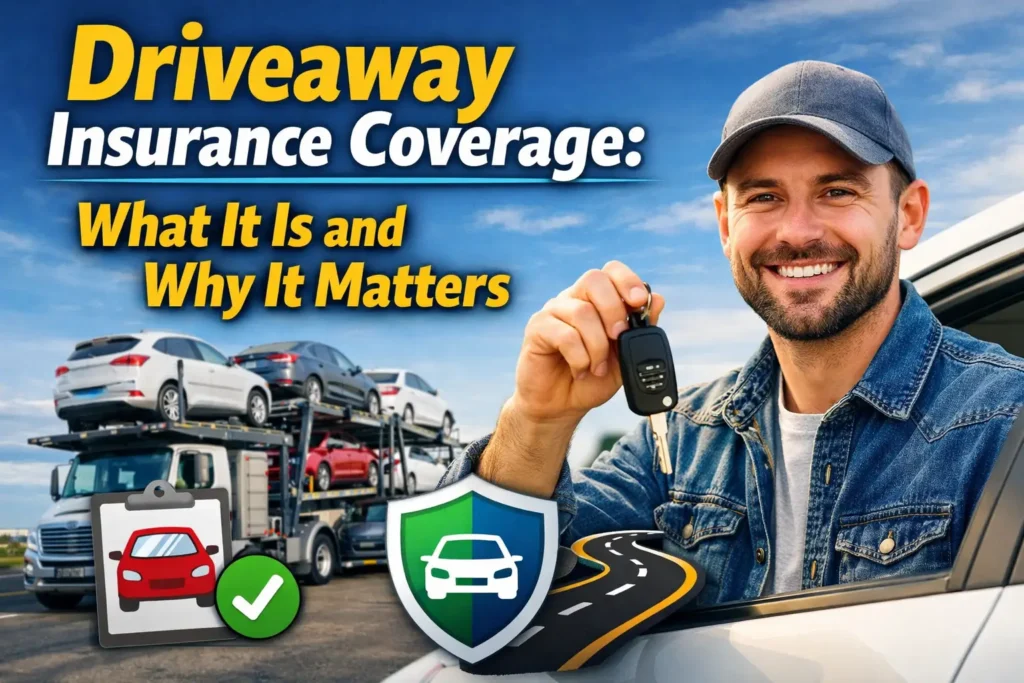
When transporting a vehicle from one location to another, many people overlook an important detail: insurance coverage during the drive itself. This is where driveaway insurance becomes essential. Whether you are an individual relocating a car or a business involved in vehicle logistics, understanding this type of insurance can save you from unexpected risks.
At Pro Medicare Lead, we focus on simplifying complex insurance topics so readers can make informed decisions with confidence.
What Is Driveaway Insurance?
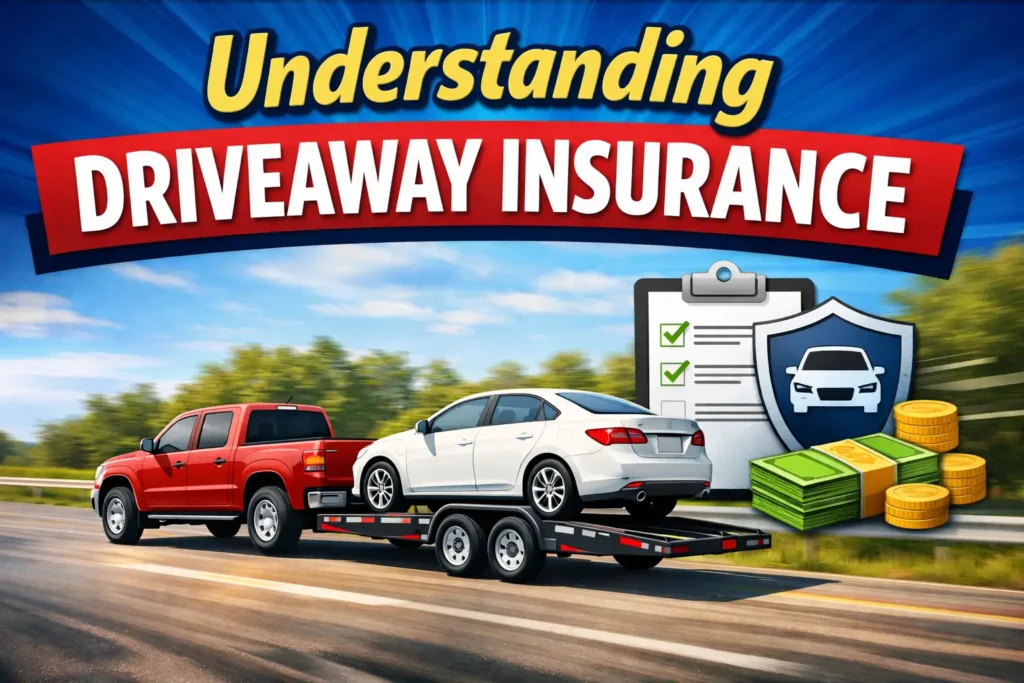
Driveaway insurance is a specialized form of coverage designed to protect vehicles while they are being driven from one place to another by a third party. This situation commonly arises during vehicle deliveries, dealership transfers, auctions, or long-distance relocations.
Unlike standard auto insurance, driveaway insurances specifically covers short-term transportation risks, ensuring both the driver and the vehicle are protected during the journey.
Why Driveaway Insurance Is Important
Vehicle transportation involves uncertainty; road conditions, accidents, and unexpected delays can happen at any time. Having driveaway insurances in place provides peace of mind and financial protection.
Here’s why it matters:
-
Covers vehicles during active transit
-
Reduces liability risks for owners and businesses
-
Protects drivers operating non-owned vehicles
-
Ensures compliance with transport requirements
For businesses that move vehicles regularly, driveaway insurance is not just optional, it’s a necessity.
Who Typically Needs Driveaway Insurance?
Several individuals and industries rely on driveaway insurance, including:
-
Auto dealerships transferring inventory
-
Vehicle transport and logistics companies
-
Fleet managers
-
Individuals relocating vehicles across states
In each case, driveaway insurances helps bridge the gap between ownership and responsibility during transit.
How Driveaway Insurance Differs from Standard Auto Coverage
Many people assume personal auto insurance applies in all driving situations, but that’s not always true. Driveaway insurance is designed specifically for temporary vehicle movement, which standard policies may exclude.
Key differences include:
-
Short-term coverage duration
-
Applies to non-owned vehicles
-
Tailored for commercial and transport use
Understanding these differences helps prevent coverage gaps during vehicle delivery.
Finding the Right Driveaway Insurances Coverage
Choosing the right driveaway insurance depends on factors such as distance, vehicle type, and frequency of transport. Clear policy terms, coverage limits, and exclusions should always be reviewed before selecting a plan.
This is where accurate information and visibility matter. Many insurance-focused platforms rely on digital strategies to educate the right audience at the right time. For example, companies like ESAR Digital help insurance and service-based businesses reach users actively searching for coverage solutions through ethical, intent-driven marketing.
Common Misconceptions About Driveaway Insurances
Despite its importance, driveaway insurance is often misunderstood. Some common myths include:
-
“My personal insurance always covers vehicle transport.”
-
“It’s only needed for large companies.”
-
“Short trips don’t require special coverage.”
In reality, driveaway insurances is designed to address these exact scenarios and protect against overlooked risks.
Final Thoughts
Understanding driveaway insurance is essential for anyone involved in vehicle transportation. From protecting assets to reducing liability, the right coverage ensures smoother, safer vehicle transfers.
At Pro Medicare Lead, our goal is to provide clear, trustworthy insurance insights that help readers navigate specialized topics with confidence. By combining education with smart digital visibility, often supported by expert marketing partners, insurance information becomes more accessible and actionable for everyone.
Pingback: Driveaway Insurance Coverage: What It Covers & Why It Matters - Pro Medicare Leads