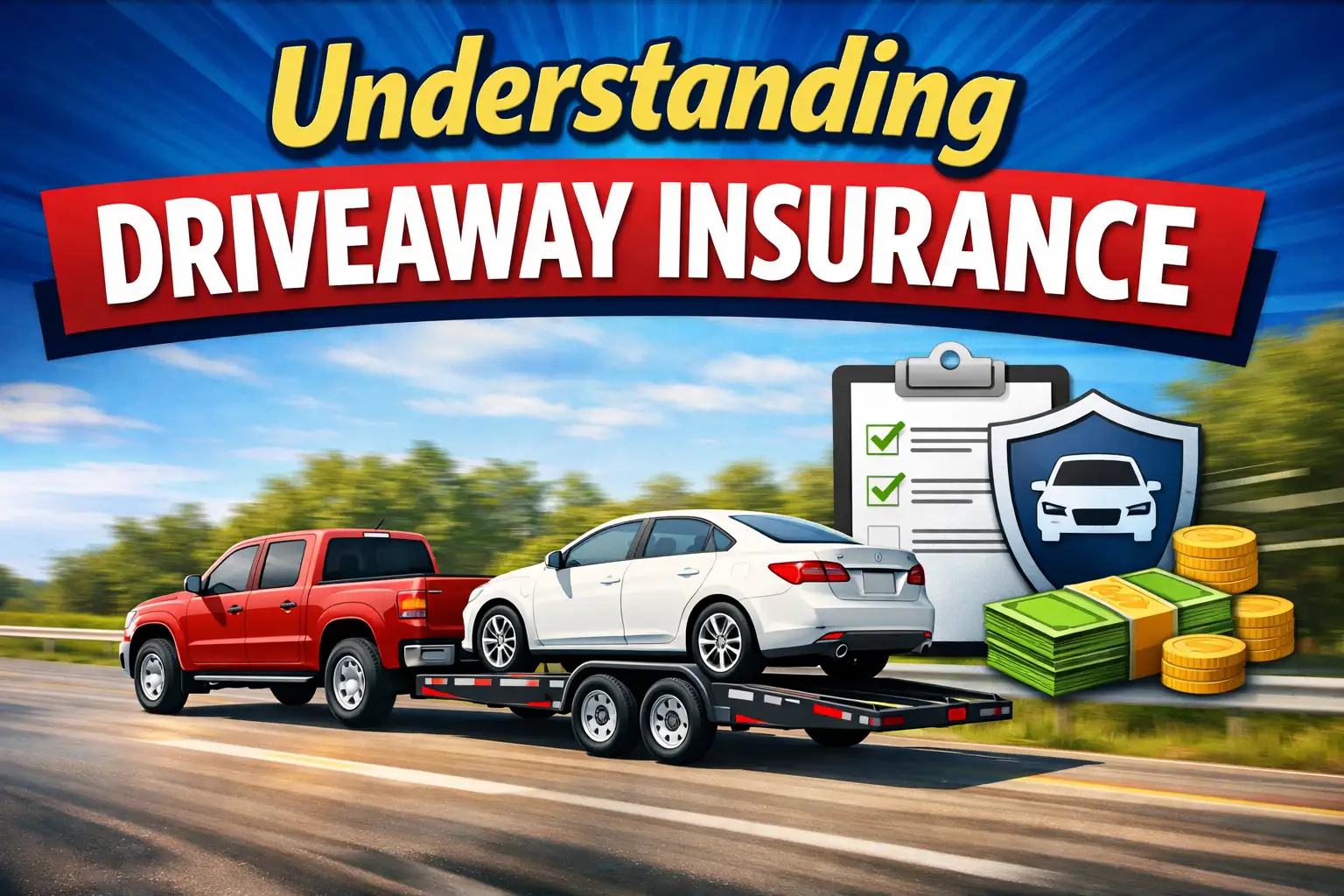

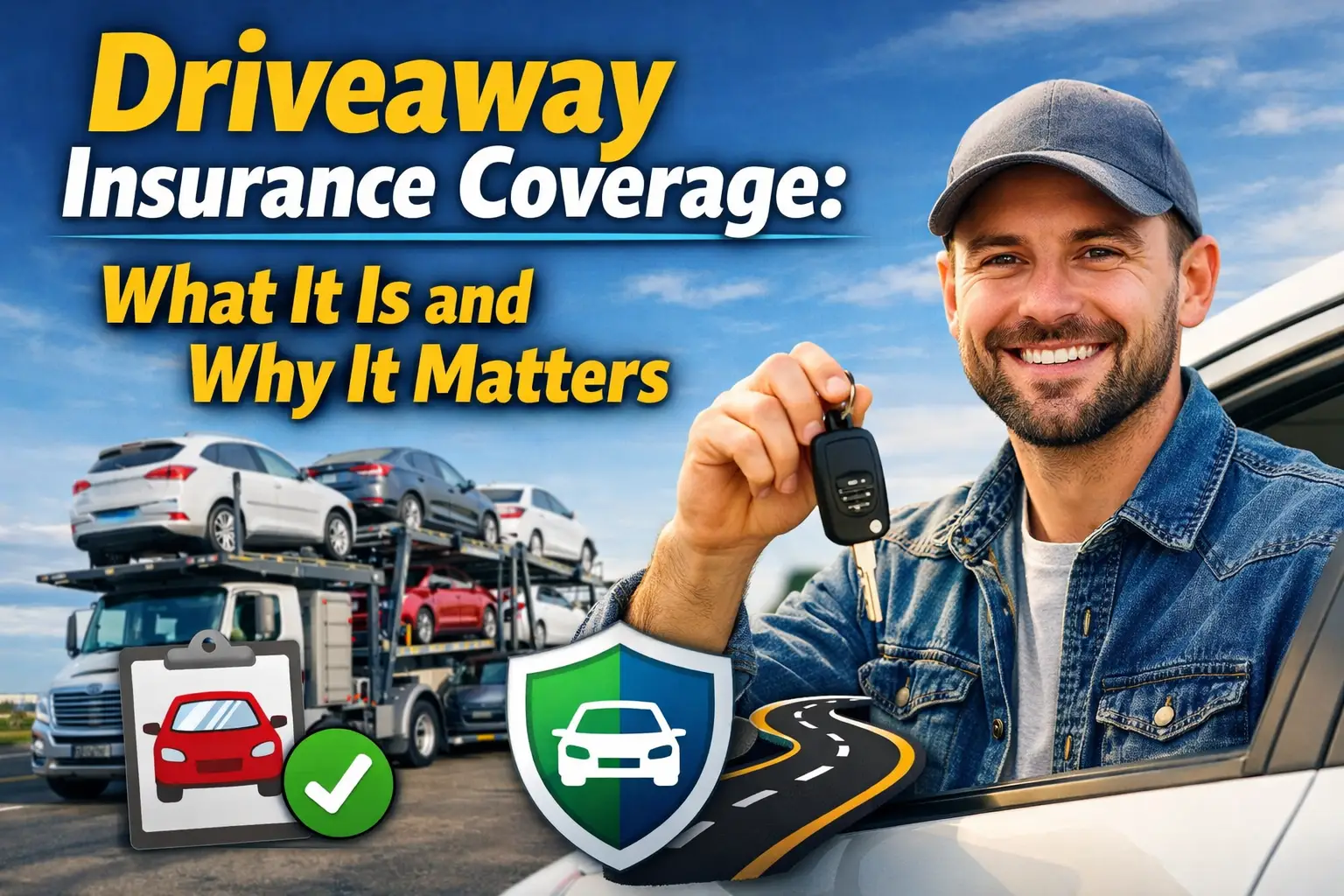


When a vehicle is being transported by being driven, not shipped, standard auto insurance may not always apply the way owners expect. That’s where driveaway insurance coverage becomes essential.
Whether you’re a dealership transferring inventory, a logistics company delivering vehicles across state lines, or an individual relocating a car, understanding how driveaway insurance coverage works can protect you from unexpected liability.
At Pro Medicare Leads, we focus on simplifying complex insurance topics so businesses and consumers can make informed decisions.
What Is Driveaway Insurance Coverage?
Driveaway insurance coverage is a temporary insurance policy designed to protect a vehicle while it is being driven from one location to another by a third party.
Unlike traditional auto insurance, which typically covers a named driver and specific vehicle use, driveaway policies are structured for:
-
Commercial vehicle transfers
-
Dealer inventory movement
-
Fleet relocations
-
Long-distance private vehicle moves
This type of driveaway insurance fills the gap between ownership responsibility and transit risk.
How Driveaway Insurance Works
Driveaway insurance policies are generally:
-
Short-term (often 1–30 days)
-
Vehicle-specific
-
Liability-focused
-
Designed for non-owned vehicle use
In many cases, standard personal auto insurance may exclude commercial or third-party vehicle transport. That is why businesses rely on proper driveaway insurance coverage during active transit.
Who Needs Driveaway Insurance Coverage?
Several industries and individuals benefit from driveaway insurance:
Auto Dealerships
Moving vehicles between lots or delivering to customers.
Vehicle Transport Companies
Providing professional delivery services.
Fleet Operators
Relocating company vehicles across states.
Private Sellers
Transferring vehicles long distances after sale.
In all these cases, driveaway insurance reduces liability exposure and ensures compliance with state requirements.
What Does Driveaway Insurance Typically Cover?
Coverage may include:
✔ Bodily injury liability
✔ Property damage liability
✔ Collision coverage (optional)
✔ Comprehensive protection (optional)
✔ Uninsured/underinsured motorist coverage
It’s important to review policy details carefully to ensure the correct type of driveaway insurance is in place.
Driveaway Insurance vs Standard Auto Insurance
Many assume their regular auto insurance extends to vehicle transfers. However, driveaway insurance differs in key ways:
-
Temporary duration
-
Designed for commercial vehicle movement
-
May apply to non-owned vehicles
-
Focused on transit-related liability
Understanding this distinction prevents costly gaps in protection.
Risk Factors That Affect Driveaway Insurance Coverage
Several factors can impact policy pricing:
-
Distance of transport
-
Driver experience
-
Vehicle value
-
State regulations
-
Commercial vs personal use
Because exposure varies by situation, driveaway insurance must be customized to match the transport scenario.
The Role of Digital Marketing in Insurance Growth
As niche insurance solutions like driveaway insurance become more specialized, companies rely on digital visibility to reach the right audience.
Marketing agencies such as ESAR Digital help insurance-focused businesses generate qualified leads through targeted SEO, paid campaigns, and high-intent funnel strategies. This ensures that consumers actively searching for driveaway insurance solutions connect with the right providers.
Why Driveaway Insurance Coverage Matters
Without proper protection, a single accident during vehicle transport could lead to:
-
Significant financial liability
-
Legal exposure
-
Delayed vehicle delivery
-
Reputational damage
Proper driveaway insurance coverage provides peace of mind and financial protection during transit.
Final Thoughts
Vehicle transportation carries unique risks that standard policies may not fully address. Understanding how driveaway insurance coverage works ensures businesses and individuals remain protected during active transit.
At Pro Medicare Leads, we continue delivering clear, research-based insights across specialized insurance topics to help professionals and consumers make informed decisions.
Frequently Asked Questions
What is driveaway insurance coverage?
Driveaway insurance coverage is temporary insurance designed to protect vehicles while being driven from one location to another by a third party.
Is driveaway insurance the same as auto insurance?
No. Driveaway insurance is typically short-term and designed specifically for vehicle transport situations.
Who should purchase driveaway insurance?
Dealerships, transport companies, fleet operators, and individuals relocating vehicles may need driveaway insurance.
How long does driveaway insurance coverage last?
It usually lasts for the duration of the transport, often ranging from one day to several weeks.
Does driveaway insurance cover damage to the vehicle?
Coverage depends on the policy. Some plans include collision and comprehensive protection as optional add-ons.